Doctors rarely mention it — but a sluggish lymphatic system could explain the symptoms so many women over 40 quietly struggle with.
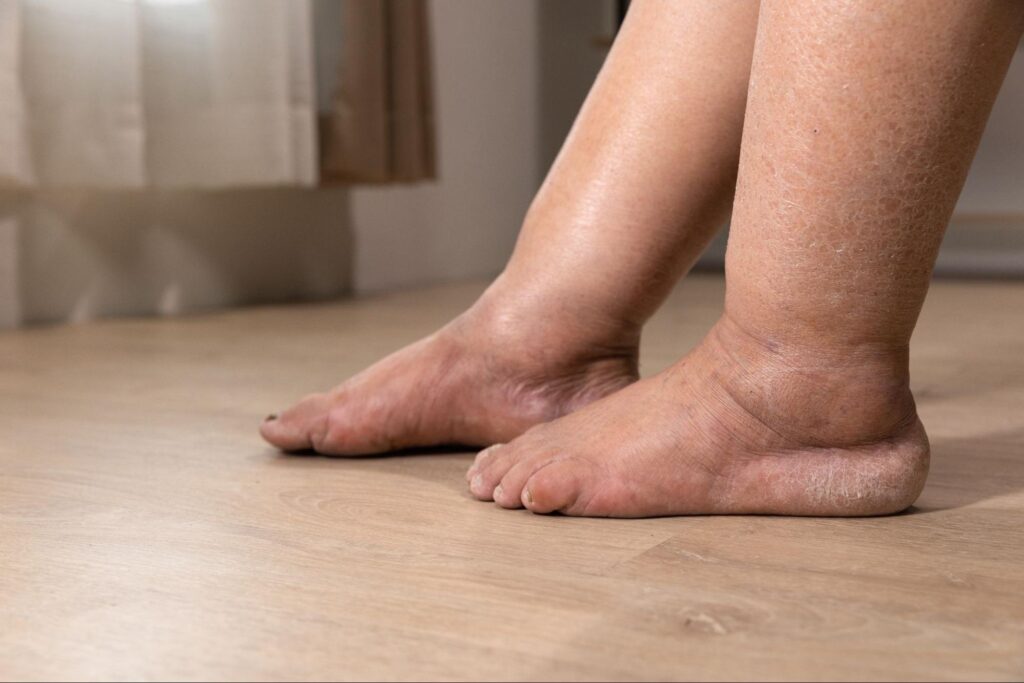
It’s 3 PM. You’ve eaten well, slept a decent seven hours, and done nothing out of the ordinary — yet your ankles are slightly puffy, your rings feel tighter than they did last week, and the fatigue pressing behind your eyes is the kind that no amount of coffee seems to fix.
If that sounds familiar, you are not imagining things. And no, it is not simply “getting older.”
There is a network in your body that most conventional check-ups never once address — a system responsible for clearing cellular waste, regulating fluid balance, and supporting immune function. When it works well, you feel light, energized, and clear-headed. When it slows down, the effects can look a lot like what millions of women over 40 accept as an unavoidable part of life.
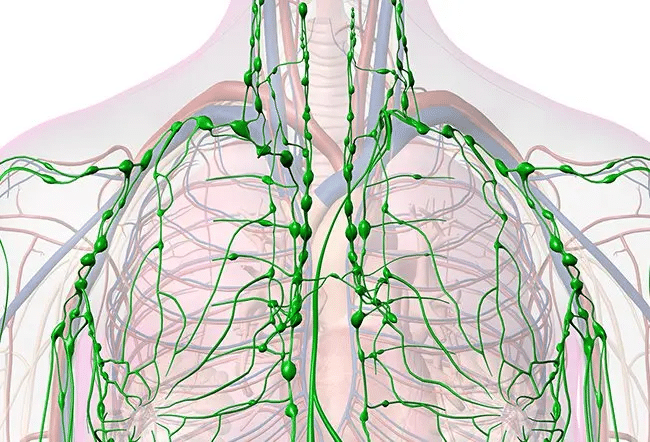
That system is your lymphatic system.
What Is the Lymphatic System — And Why Should Women Over 40 Care?
Most people associate the lymphatic system only with immune cells and swollen lymph nodes during an illness. But its role is far more comprehensive than that.
Think of your lymphatic system as the body’s internal drainage network. It runs parallel to your circulatory system, carrying a fluid called lymph — a colorless liquid that collects cellular waste, excess proteins, toxins, and inflammatory byproducts from your tissues and transports them to be filtered and eliminated.
Unlike the cardiovascular system, which has the heart as a dedicated pump, the lymphatic system has no central pump at all. It moves entirely through the mechanical action of breathing, muscle contractions, and physical movement. This is part of why sedentary lifestyles, prolonged sitting, and reduced activity — common patterns that often increase in our 40s and 50s — can have a disproportionate impact on lymphatic circulation.
“The lymphatic system is one of the least discussed systems in preventive medicine, yet it touches almost every aspect of how women over 40 feel day to day — from fluid retention to energy levels to how well the body metabolizes fat.” — Integrative Medicine Perspective
Hormonal changes during perimenopause and menopause further complicate the picture. Estrogen receptors are present in lymphatic tissue, meaning the hormonal shifts that begin in the late 30s and accelerate through the 40s and 50s can directly affect how efficiently lymph moves through the body.
7 Signs Your Lymphatic System May Need Support
None of these symptoms are proof of a medical condition. But if several of them feel chronic and unexplained, they are worth paying attention to:
- Persistent puffiness in the ankles, calves, or face — especially in the morning or after sitting for long periods
- A feeling of “heaviness” in the legs by afternoon
- Stubborn water retention that doesn’t fully respond to reduced sodium or increased water intake
- Fatigue that arrives in waves — particularly between 2–4 PM — unrelated to poor sleep
- Skin that looks slightly dull or feels congested despite a consistent skincare routine
- Bloating that isn’t linked to specific foods
- Mild, recurring aches in the neck, underarms, or groin without obvious cause

These symptoms overlap with many other conditions, which is exactly why they’re often dismissed or attributed to “stress” or “hormones” without further investigation of what’s driving them.
Why This Tends to Get Worse After 40 — Not Better
Several factors converge around the perimenopausal years that place additional pressure on the lymphatic system:
1. Reduced progesterone levels
Progesterone acts as a natural diuretic, helping the body regulate fluid balance. As progesterone declines in the late 30s and 40s, many women notice increased fluid retention — a direct result of less hormonal support for lymphatic clearance.
2. Decreased muscle mass
Muscle contractions are one of the primary mechanical drivers of lymph flow. The natural decline in muscle mass that begins around age 35 (a process called sarcopenia) means the body gradually loses one of its most important lymphatic pumps.
3. Increased systemic inflammation
Chronic low-grade inflammation — influenced by diet, sleep, stress, and hormonal changes — places a heavier burden on the lymphatic system, which must work harder to clear inflammatory byproducts.
4. More sedentary patterns
Career and caregiving responsibilities in midlife often mean longer periods of desk work, driving, or sitting — directly limiting the movement-dependent circulation of lymph.
What Actually Supports Healthy Lymphatic Flow?
The encouraging news is that the lymphatic system responds well to targeted, consistent support. The following approaches are backed by research and widely recommended by integrative and functional medicine practitioners:
Movement — Even Gentle Movement
You do not need intense exercise to support lymphatic circulation. Rebounding (mini-trampoline), walking, yoga, and even stretching activate the muscle contractions that drive lymph movement. Aim for some form of intentional movement for at least 20–30 minutes daily.
Hydration
Lymph fluid is roughly 95% water. Chronic mild dehydration — far more common than most people realize — thickens lymph and slows circulation. Women over 40 should aim for a minimum of 64–80 oz of water daily, adjusted for activity and climate.
Dry Brushing
This technique, which involves using a natural-bristle brush on dry skin in upward strokes toward the heart, has been used in traditional European medicine for decades to stimulate superficial lymphatic vessels. While clinical evidence remains preliminary, many integrative practitioners recommend it as a low-risk daily practice.
Diaphragmatic Breathing
Deep belly breathing creates pressure changes in the thoracic duct — the largest lymphatic vessel in the body — that actively move lymph upward toward elimination. Ten minutes of intentional deep breathing daily has a measurable impact on lymphatic flow.
Targeted Nutritional Support
Certain botanicals have a documented history of use in supporting lymphatic tissue and reducing fluid retention. Ingredients like aescin (horse chestnut extract), butcher’s broom, gotu kola, and dandelion root have been studied for their ability to support vascular tone, reduce tissue swelling, and promote normal fluid balance.
When I started researching lymphatic support supplements for this review, I was skeptical. Most products in this category are underdosed or rely on generic diuretics. What I found with Lymph Tonic was different — the formulation targets the actual mechanism of lymphatic support rather than just pushing water out.
An Honest Look at Lymph Tonic: What the Research Suggests
PRODUCT REVIEW · RESEARCH-BASED
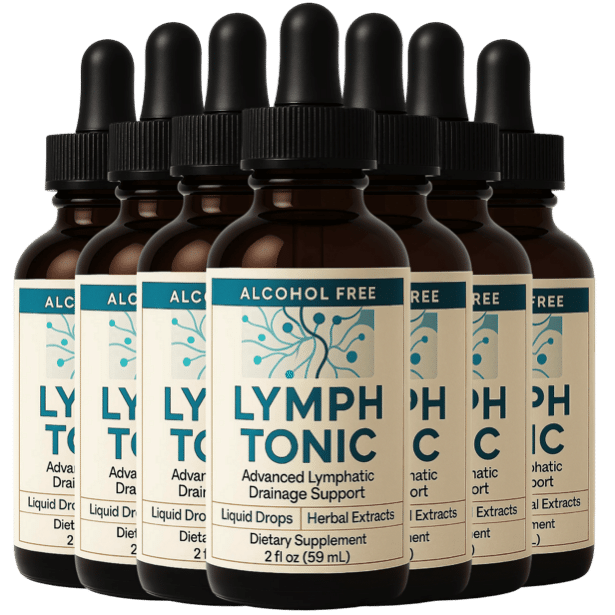
Here is what the research says about its core ingredients:
Horse Chestnut Extract (Aescin)
This is arguably the most clinically studied ingredient for venous and lymphatic insufficiency. A 2015 systematic review published in the Cochrane Database — covering over 1,000 patients — found that horse chestnut seed extract was effective in reducing leg swelling associated with chronic venous insufficiency. Aescin appears to work by tightening blood vessel walls and reducing their permeability, which directly limits fluid leakage into surrounding tissue.
Butcher’s Broom (Ruscus aculeatus)
Used in traditional European herbal medicine for centuries, butcher’s broom contains ruscogenins — compounds that constrict blood vessels and reduce capillary permeability. It has been studied in the context of orthostatic hypotension and chronic venous disease, with positive results for lower limb swelling.
Dandelion Root
A natural diuretic that supports kidney function without depleting potassium — a common problem with pharmaceutical diuretics. Dandelion also has mild anti-inflammatory properties that may complement the fluid-regulating effects of the other ingredients.
Gotu Kola (Centella asiatica)
Gotu kola has been used in Ayurvedic medicine for vascular and connective tissue support. Modern research suggests it may strengthen the structural integrity of capillary walls, which is particularly relevant for women experiencing the vascular changes associated with hormonal shifts.
The combination of these four ingredients — each targeting a different aspect of vascular tone and fluid regulation — is what makes this formulation more than a simple “water pill.” It addresses the structural and functional reasons fluid accumulates in the first place.
“I’ve been recommending targeted lymphatic support to my patients for years. The challenge is always finding a product where the active ingredients are actually present in effective amounts — not just listed on the label for marketing purposes. A well-formulated horse chestnut + butcher’s broom combination, taken consistently, can make a real difference for women dealing with lower limb swelling and the fatigue that often accompanies it.” — Perspective from Integrative Medicine
For women who have tried reducing sodium, increasing water intake, and adding movement — and still notice persistent puffiness or afternoon heaviness — a targeted supplement like this may address the part of the equation that lifestyle changes alone cannot reach.
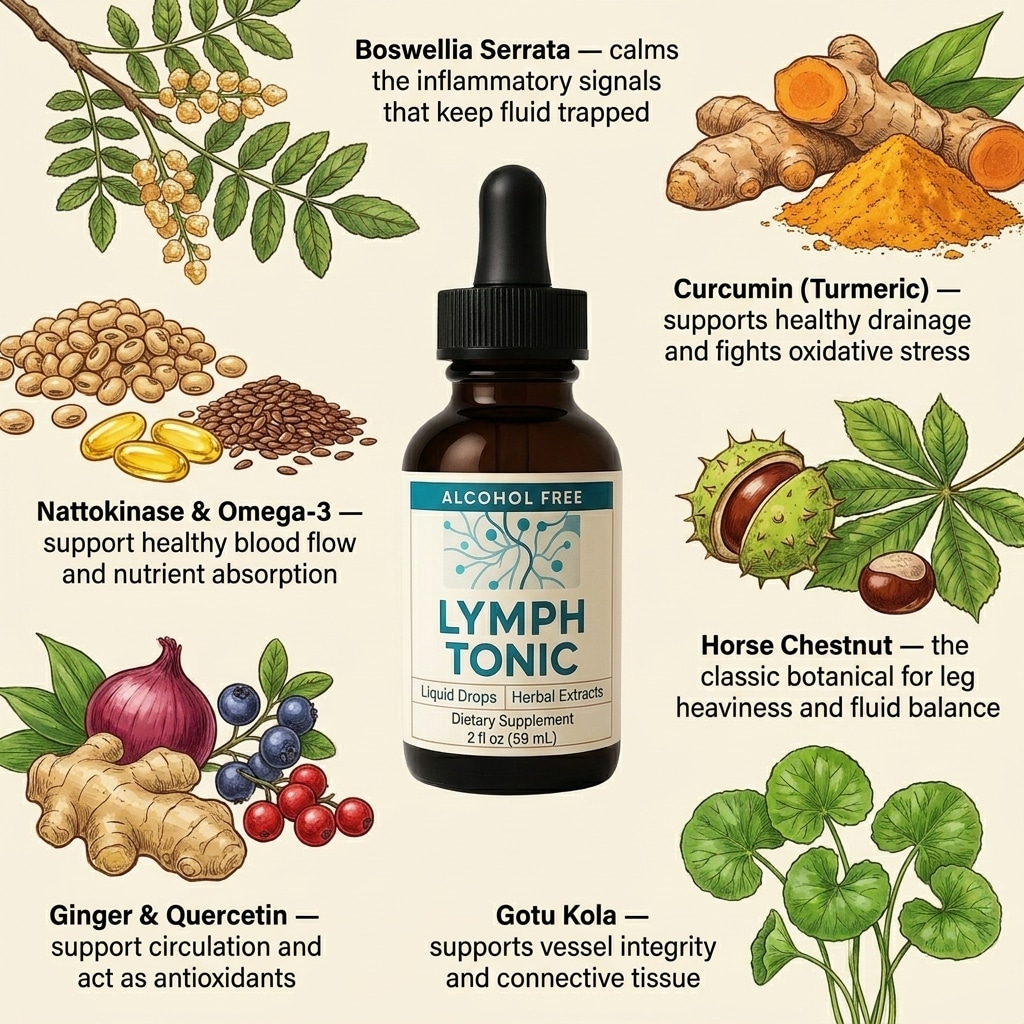
→ You can review the full ingredient profile and current pricing of Lymph Tonic here
What Women Are Saying
“I had been dealing with swollen ankles for almost two years. My doctor ran tests and found nothing abnormal. I started taking this consistently for six weeks and the difference — especially in how my legs feel at the end of the day — has been significant. I no longer dread long days at work.” — Sandra, 54, nurse (paraphrased from verified customer feedback)
“The afternoon fatigue was the biggest thing for me. I didn’t connect it to fluid issues at all until I read about the lymphatic system. Four weeks in and I feel noticeably clearer after lunch. My rings fit again, which sounds small but honestly made me emotional.” — Karen, 49 (paraphrased from customer review)
Frequently Asked Questions
Is a sluggish lymphatic system a real medical diagnosis?
Not as a standalone diagnosis in conventional medicine. However, lymphatic insufficiency and secondary lymphedema are well-recognized conditions. The concept of “sluggish lymphatic flow” is more commonly used in integrative and functional medicine to describe suboptimal lymphatic circulation that produces symptoms without meeting the threshold for a formal diagnosis. It is a real physiological phenomenon, even if it is underrecognized in standard medical settings.
How long does it take to see results from lymphatic support supplements?
Most research on relevant botanical ingredients suggests a minimum of 4–8 weeks of consistent use before meaningful changes in fluid retention and vascular tone become apparent. Short-term trials are unlikely to reflect the full benefit. Individual results will vary based on baseline health, lifestyle, hormonal status, and consistency of use.
Can I support my lymphatic system without supplements?
Absolutely. Movement, hydration, breathwork, and dietary changes form the foundation of lymphatic support. Supplements are most useful as a complement to these lifestyle practices — not as a replacement for them. If you are committed to building the lifestyle habits and want additional support, a well-formulated supplement may help you reach your goals faster.
Should I talk to my doctor before trying a lymphatic support supplement?
Yes — especially if you are currently taking prescription medications, have a diagnosed cardiovascular condition, or are managing a chronic health issue. Horse chestnut extract, in particular, can interact with blood-thinning medications. Always disclose new supplements to your healthcare provider.
The Bottom Line
The lymphatic system is not a trendy wellness concept. It is a fundamental biological network that operates quietly in the background — and one that genuinely deserves more attention than conventional medicine gives it, particularly for women navigating the hormonal landscape of their 40s and 50s.
If you recognize yourself in the symptoms described above — and especially if you have had those symptoms investigated without a clear answer — it may be worth learning more about how your lymphatic system functions and what targeted support looks like.
Start with movement, water, and breath. And if you want to go further, the research on the right botanical combination is encouraging.
→ Learn more about Lymph Tonic and see the full ingredient breakdown